Silicone has become one of the most popular materials in modern homeware, baby products, outdoor gear, and kitchen tools. As consumers seek safer, more durable, and more environmentally friendly alternatives to plastic, silicone has rapidly grown in demand. But an important question arises: Is silicone truly eco-friendly and sustainable?
Syah Life explains the environmental footprint of silicone from production to disposal, and why many brands and retailers worldwide are shifting to silicone for long-term sustainability.
Silicone is a hybrid material made from silicon (a naturally occurring element in sand), oxygen, carbon, and hydrogen.
Its structure makes it:
Highly durable
Resistant to heat and cold
Chemically stable
Flexible and long-lasting
Safe for direct food contact (when FDA / LFGB certified)
Because of these qualities, silicone is widely used in:
✔ Kitchen utensils
✔ Baby feeding sets
✔ Pet products
✔ Storage bags
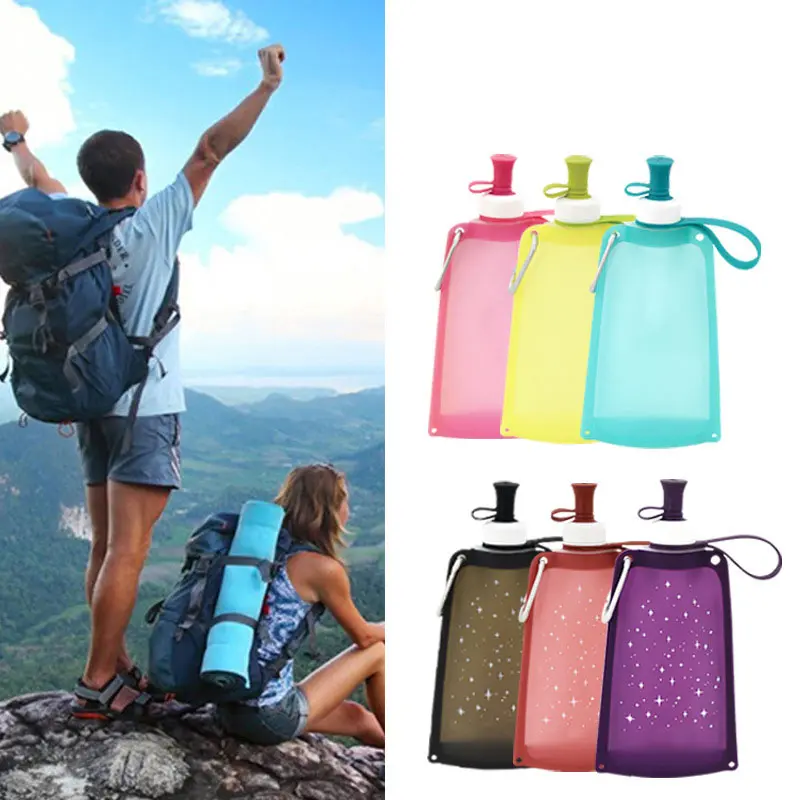
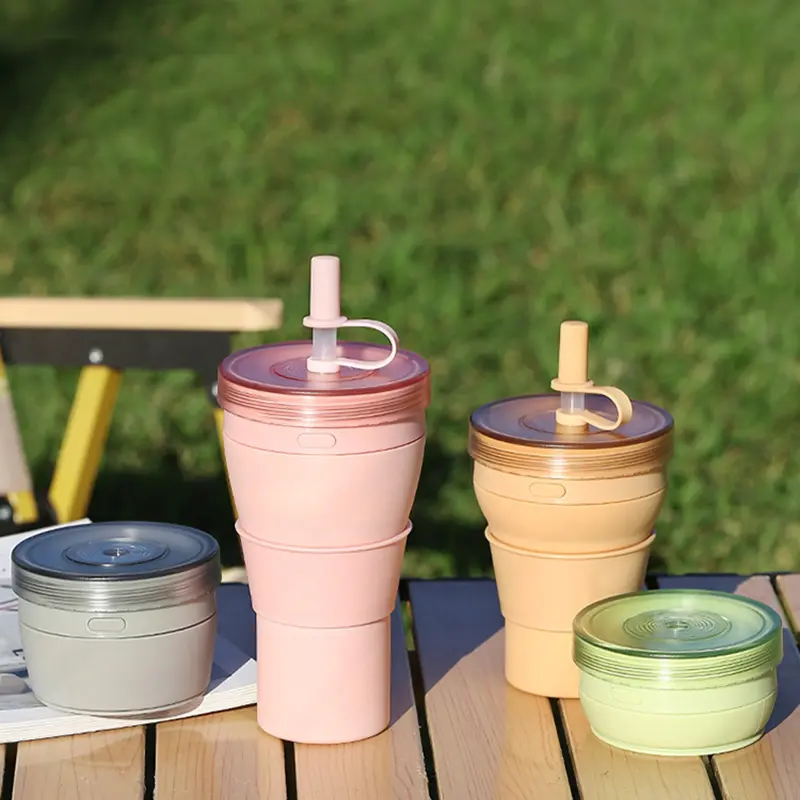
✔ Outdoor collapsible items
✔ Healthcare products
The main component—silicon—comes from silica, one of the Earth’s most abundant materials.
This is more sustainable than extracting petroleum for plastic production.
Silicone is highly resistant to:✔ Heat ✔ UV light ✔ Cold ✔ Moisture ✔ Cracking or tearing
This durability means silicone products last for years, helping reduce the waste created by short-lived plastics.
Unlike plastic, silicone does not:
✔Break down into microplastics
✔Release harmful chemicals
✔Warp or degrade under heat
Especially for food-contact products, silicone is safer and cleaner over long-term use.
Silicone is not biodegradable, but it is recyclable through industrial silicone recycling programs.
Recycled silicone can be repurposed into:
✔Lubricants
✔Playground surfaces
✔Industrial mats
✔Silicone oils
Many countries are now increasing silicone recycling capabilities, making long-term sustainability more achievable.
Many consumers think silicone is a type of plastic.
However:
❌ It is not petroleum-based
❌ It does not melt into micro
Silicone has become one of the most preferred materials for homeware, baby products, outdoor gear, pet accessories, and kitchen tools due to its durability, safety, and long lifespan. Although not biodegradable, silicone is made from abundant natural resources, does not release harmful chemicals, and does not create microplastics—making it a cleaner, safer, and more sustainable alternative to traditional plastics. With its recyclability and long-term reusability, silicone offers brands and consumers a more eco-conscious option for modern living.
 Household Daily Necessities
 Sport & Outdoor
 Sport & Outdoor
Copyright ©2025 All Rights Reserved by Shenzhen Syah Silicone Technology Co.,Ltd.