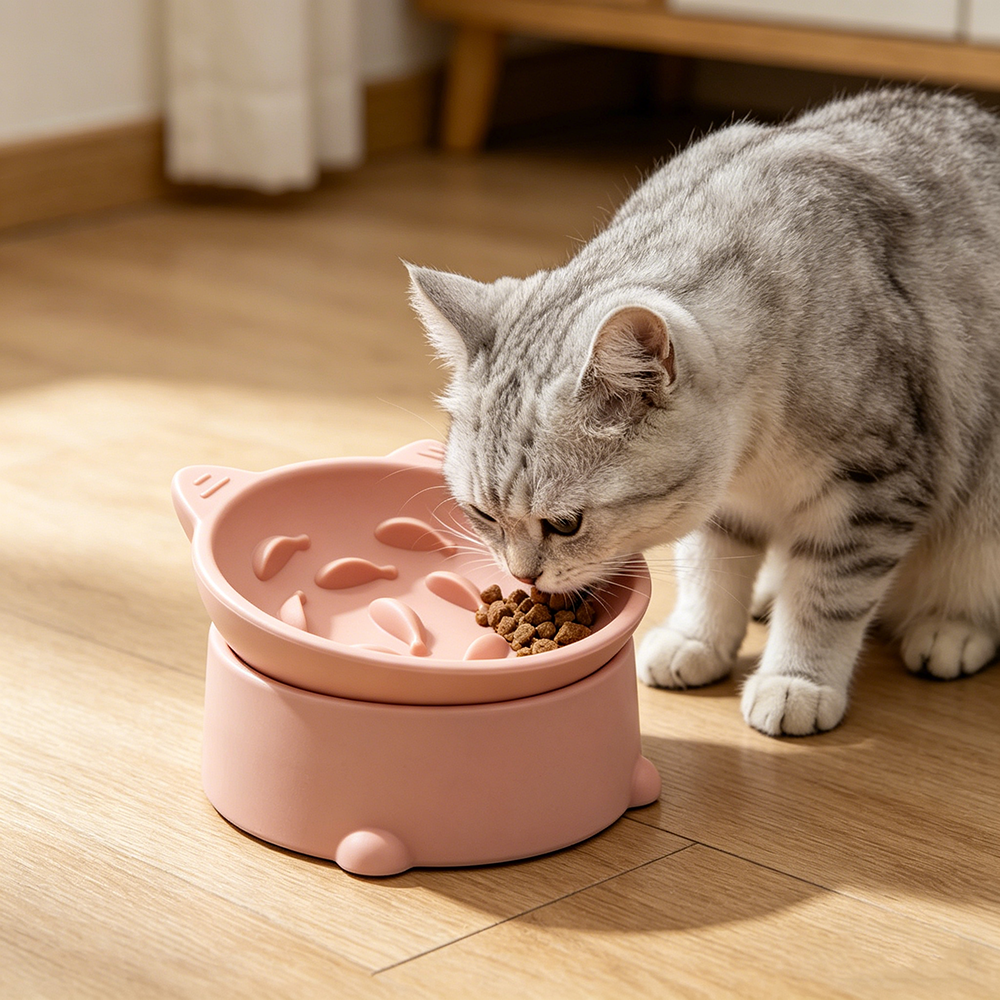
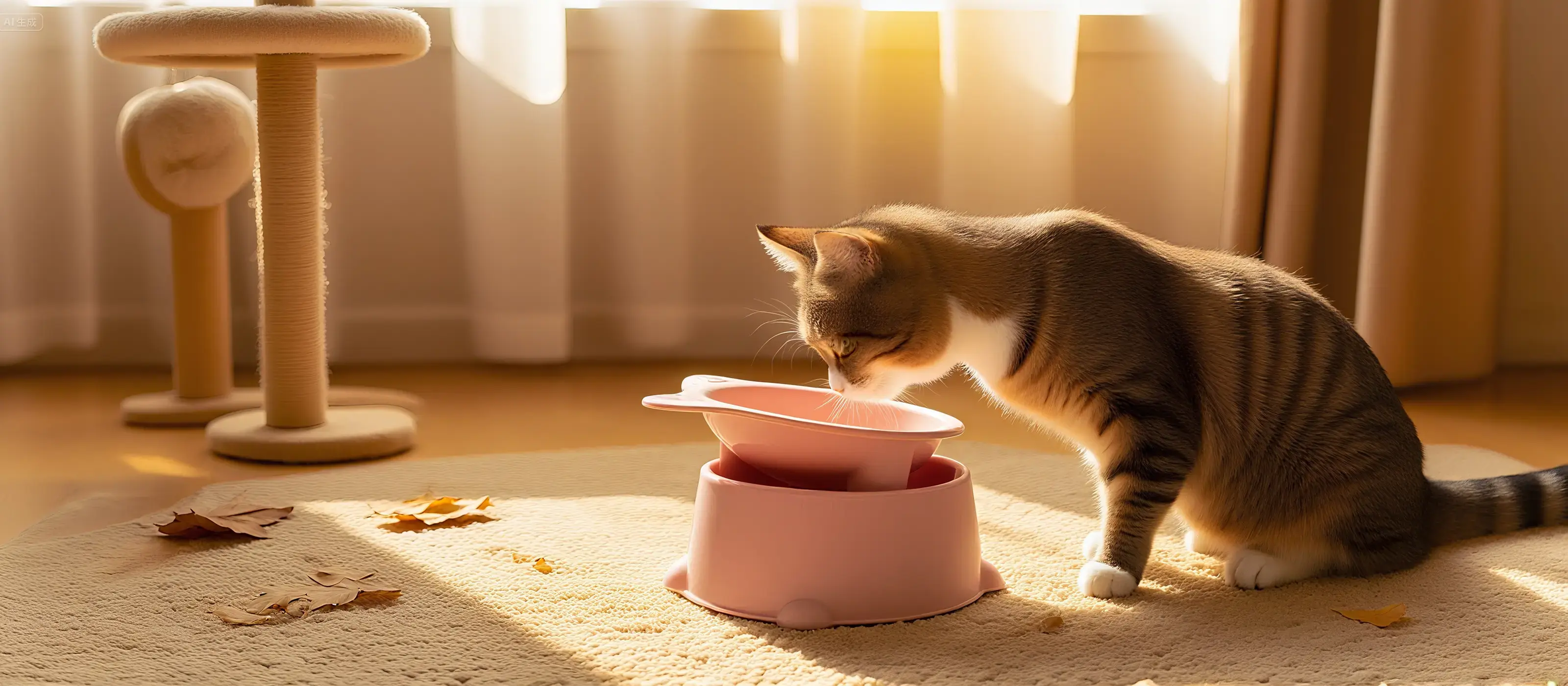
If your dog or cat gobbles meals in seconds—then vomits right after eating or struggles with digestive upset—you’ve probably wondered: Do slow feed bowls really help? The short answer: Yes, slow feed bowls (or slow feeder bowls) are highly effective for fast-eating pets—but only for specific causes of vomiting and digestive issues. Below, we break down how they work, their key benefits, limitations, and who they’re best for.
Competition instinct: Even single-pet households may have pets that eat quickly out of a primal fear of food being taken away.
Hunger or anxiety: Pets with inconsistent feeding schedules or separation anxiety often gulp food as a coping mechanism.
Boredom: Eating becomes a source of entertainment for pets with limited mental stimulation.
Breed tendencies: Food-motivated breeds like Labradors, Huskies, and Beagles are more prone to rapid feeding.
Learned puppyhood behavior: Puppies who had to compete for food with littermates often carry this habit into adulthood.
Choking or gagging mid-meal
Excessive air swallowing (which leads to bloating or vomiting)
Poor digestion (food isn’t chewed properly)
Severe, life-threatening Gastric Dilatation-Volvulus (bloat) in deep-chested breeds
Force mindful eating: Pets must navigate around the bowl’s structure to reach kibble or food chunks, preventing them from scooping large mouthfuls.
Reduce bite size: The obstacles limit how much food a pet can pick up at once, slowing their overall pace.
Mimic natural foraging: The “puzzle” element replicates the act of hunting or foraging in the wild, turning mealtime into a mental exercise.
Slows eating pace dramatically
Fast eaters who finish meals in 10–20 seconds can be slowed to 5+ minutes per meal—a game-changer for digestion.
Reduces post-meal vomiting
Vomiting right after eating is often caused by swallowing too much air alongside food. Slow feeding cuts air intake, eliminating this common trigger.
Improves overall digestion
Slower eating encourages proper chewing, which mixes food with saliva (critical for breaking down nutrients). It also allows the stomach to fill gradually, reducing discomfort and indigestion.
Lowers choking and bloat risk
Smaller bite sizes and mindful eating minimize the chance of choking, while reduced air swallowing lowers the risk of bloat in high-risk breeds.
Provides mental stimulation
The puzzle-like design keeps pets engaged during mealtime, reducing boredom and anxiety-related behaviors (like begging or destructive chewing).
Food intolerances, allergies, or spoiled food
Internal parasites, bacterial infections, or viruses
Chronic gastrointestinal diseases (e.g., IBD)
Toxin ingestion or foreign object blockages
Other underlying medical conditions
Lethargy, weight loss, or loss of appetite
Diarrhea, blood in vomit/stool, or abdominal pain
Vomiting that happens hours after eating (not immediately)
Repeated vomiting despite slower feeding
Dogs/cats that finish meals in under 1 minute
Pets that vomit immediately after eating
Breeds prone to bloat (Labradors, Great Danes, Boxers)
Anxious pets that treat mealtime like a “survival race”
Multi-pet households where competition drives fast eating
Choose the right material: Silicone slow feed bowls are non-toxic, dishwasher-safe, and durable—ideal for both dogs and cats. Avoid sharp plastic bowls that may hurt pet gums.
Match bowl design to your pet: Maze-style bowls work best for large dogs; shallow, ridge-style bowls are better for cats or small dogs.
Start with small portions: Let your pet get used to the bowl’s pattern without overwhelming them with too much food.
Avoid wet food (or mix carefully): Wet food can get stuck in ridges—stick to kibble or firm food chunks for best results.
Pair with a consistent feeding routine: Split daily meals into 2–3 smaller portions to reduce hunger-driven gulping.
| Issue | Do Slow Feed Bowls Help? |
|---|---|
| Fast eating | ✅ Yes |
| Air swallowing & bloating risk | ✅ Yes |
| Vomiting immediately after meals | ⚠️ Often Yes |
| Food allergies/intolerances | ❌ No |
| Gastrointestinal disease | ❌ No |
 Household Daily Necessities
 Sport & Outdoor
 Sport & Outdoor
Copyright ©2025 All Rights Reserved by Shenzhen Syah Silicone Technology Co.,Ltd.