How Does Silicone Molding Work for OEM Custom Products? Step-by-Step Guide
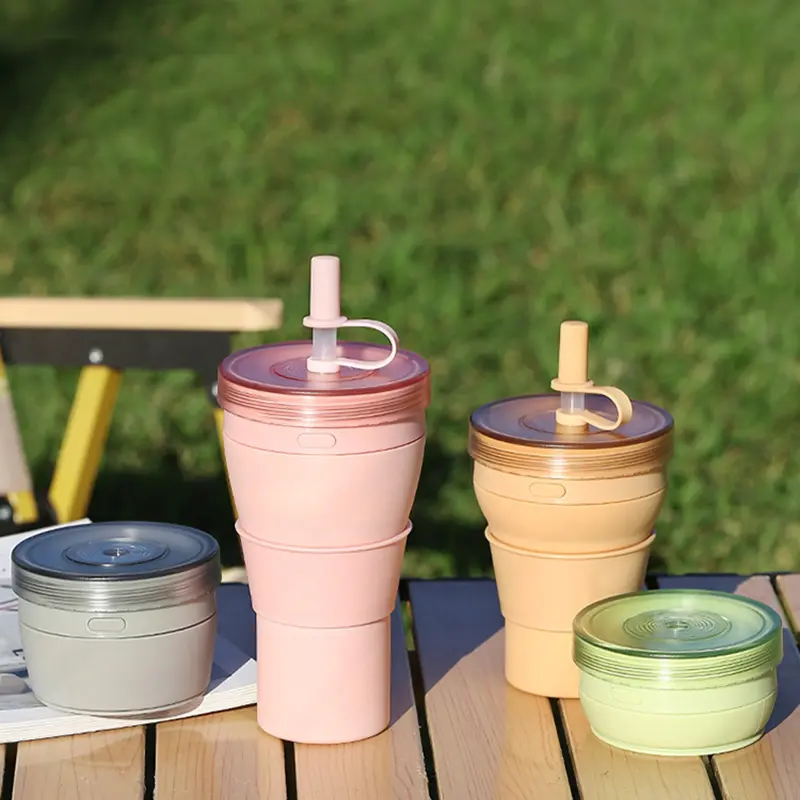
Silicone molding stands as the industry-standard manufacturing process for crafting durable, flexible, and heat-resistant consumer products—spanning
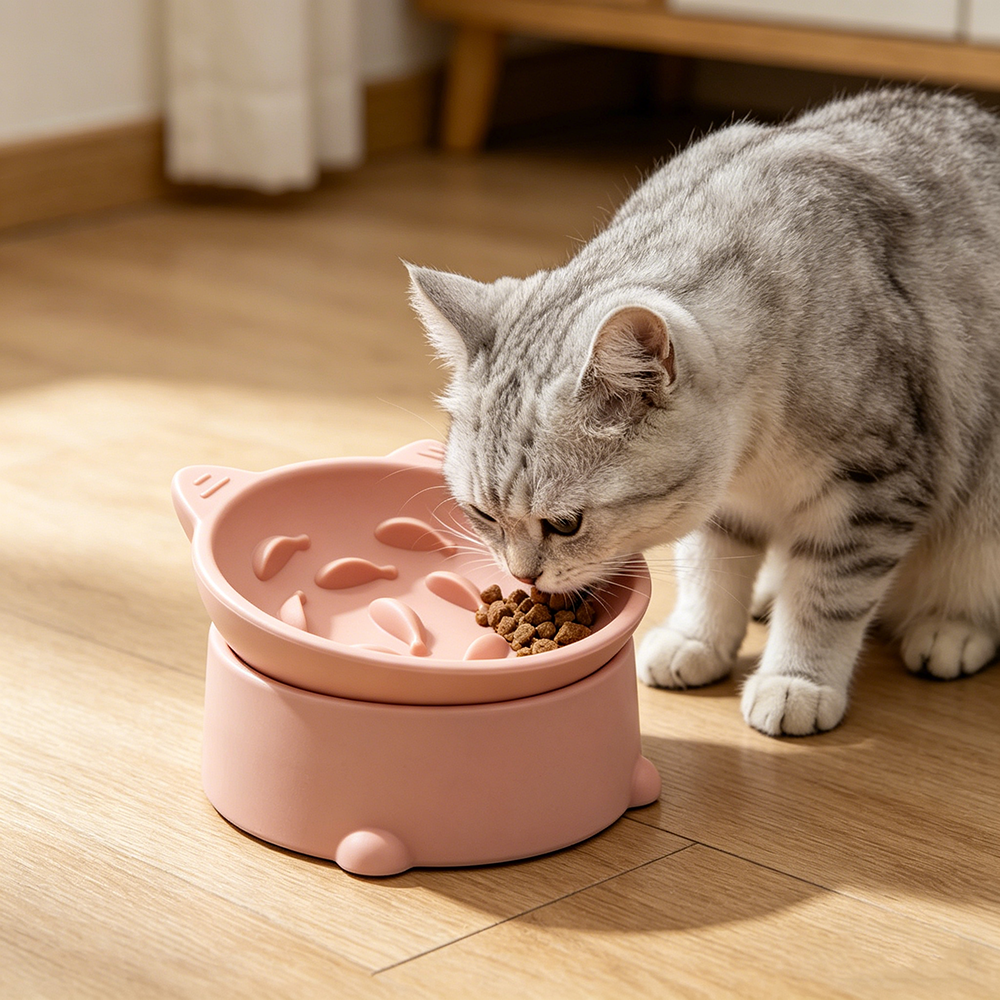
home goods, pet accessories, baby care items, and
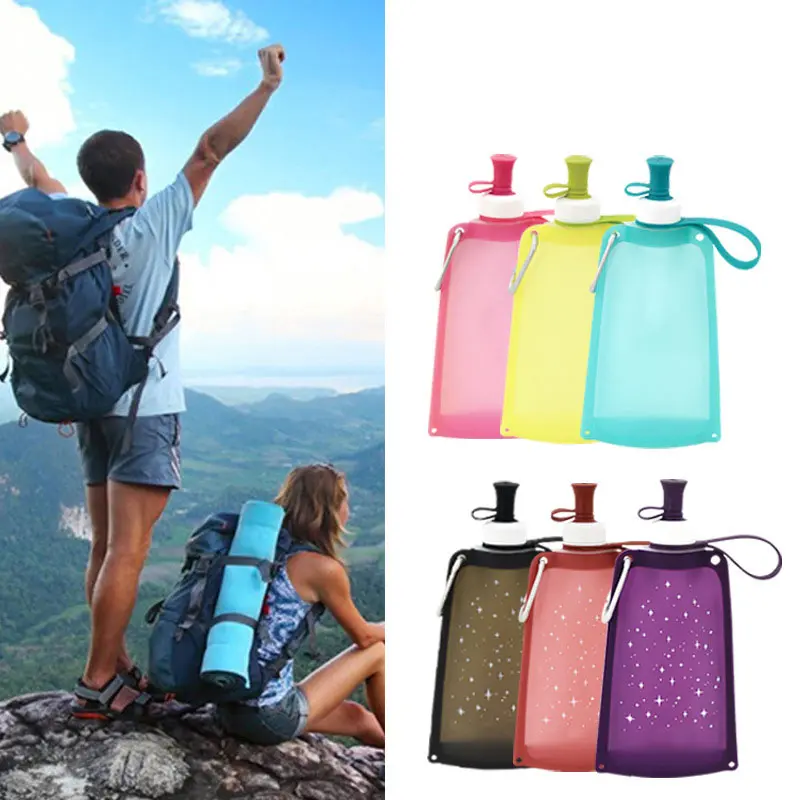
outdoor gear. Mastering this process empowers B2B buyers to streamline procurement, verify production feasibility, and accelerate decision-making for custom silicone orders.
The foundation of a flawless silicone product lies in precise design specifications. Buyers are required to provide the following to kick off the project:
3D design files: Preferred formats include STEP or IGS (compatible with industry-standard CAD software for seamless mold engineering).
Logo customization details: Clear vector files or engraving specifications to ensure brand identity is accurately replicated on the final product.
Color requirements: Pantone color codes or physical color swatches to guarantee color consistency that matches your brand standards.
We engineer high-quality molds to ensure repeatable, consistent production for bulk orders:
CNC-machined steel molds: Selected for exceptional durability, ideal for long production runs and maintaining tight tolerances over thousands of cycles.
Custom logo engraving: Integrated directly into the mold cavity during machining to eliminate post-production printing steps and enhance logo longevity.
Dedicated sample cavities: Added to the mold to enable efficient trial sampling without disrupting mass production workflows.
Before mass production, we produce T1 trial samples to validate product performance and aesthetics. This critical step includes:
Testing key material properties: Shore hardness (e.g., 30A–70A for flexible consumer goods), color fastness, and texture consistency.
Verifying dimensional accuracy and fit: Ensuring samples match your design specs for assembly or end-use scenarios.
Making iterative adjustments: Refining mold parameters or design details based on your feedback to resolve any issues before full-scale production.
Once T1 samples are approved, we move to automated mass production for efficiency and consistency:
Fully automated molding machines: Minimize human error, ensure uniform material distribution, and boost production capacity to meet bulk order demands.
High-temperature vulcanization: Cures silicone at optimal temperatures (150–200°C) to enhance heat resistance, flexibility, and durability of the final products.
Precision trimming & surface finishing: Removes flash (excess silicone) and polishes surfaces to deliver a clean, professional finish that meets OEM quality standards.
Every batch undergoes multi-layered QC checks to ensure compliance with your specifications:
Appearance inspection: Checks for defects such as scratches, bubbles, discoloration, or uneven logo engraving.
Dimensional tolerance testing: Uses calibrated tools to verify that product sizes fall within ±0.1mm of design specs (adjustable per your requirements).
Packaging & carton drop tests: Validates packaging durability to prevent damage during international shipping (critical for cross-border B2B orders).
Send us your STEP/IGS design file, logo specs, and color requirements today, and we’ll provide you with:
A detailed mold cost quotation
A customized sampling schedule
A clear production lead time timeline
Syah Life: Your Reliable Partner for High-Quality Custom Silicone Products—From Prototyping to Bulk OEM Delivery.

 Household Daily Necessities
 Sport & Outdoor
 Sport & Outdoor