Silicone Slow-Feeding Pet Bowls vs. Stainless Steel Bowls: A Complete Comparison of Pros
When it comes to choosing the right pet bowl, pet owners are often faced with a plethora of options. Two popular choices in the market are silicone slow-feeding pet bowls and ordinary stainless steel bowls. Each type has its own set of characteristics, and understanding their advantages and disadvantages can help pet owners make an informed decision.
1. Material and Safety
Silicone Slow-Feeding Bowls
Silicone slow-feeding bowls are crafted from food-grade silicone material pet slow-feeding bowl components, which is BPA - free and contains no harmful chemicals for pets. This makes them non - toxic and harmless, fully compliant with pet safety standards. The soft nature of the silicone material also has a minimal impact on pet teeth, reducing the risk of tooth wear. It is an ideal choice for pets. Many users have expressed their satisfaction with this aspect. One pet owner shared, "I was really concerned about my dog's teeth, and ever since I switched to a silicone slow - feeding bowl, I've noticed less wear. It's a relief knowing this food-grade silicone material pet slow-feeding bowl is made of safe, non - toxic material."
However, it is crucial to select high - quality silicone pet slow - feeding bowls. Over time, exposure to long - term sunlight may cause discoloration or the formation of cracks in low - quality products. Some users have warned, "I once bought a cheap silicone bowl, and after a few months of being outside in the sun, it started to fade and develop small cracks. Always invest in a good brand of food-grade silicone material pet slow-feeding bowl."
Stainless Steel Pet Bowls
Pet stainless steel bowls are known for their sturdiness and durability. They are easy to clean and resistant to rust. Generally, they do not contain any harmful substances and can withstand high temperatures without reacting with food. Nevertheless, some inferior stainless steel bowls may be made of low - quality metals or have poor - quality coatings. Prolonged use of such bowls may pose risks to pet health.
2. Design and Functionality
Silicone Slow-Feeding Bowls
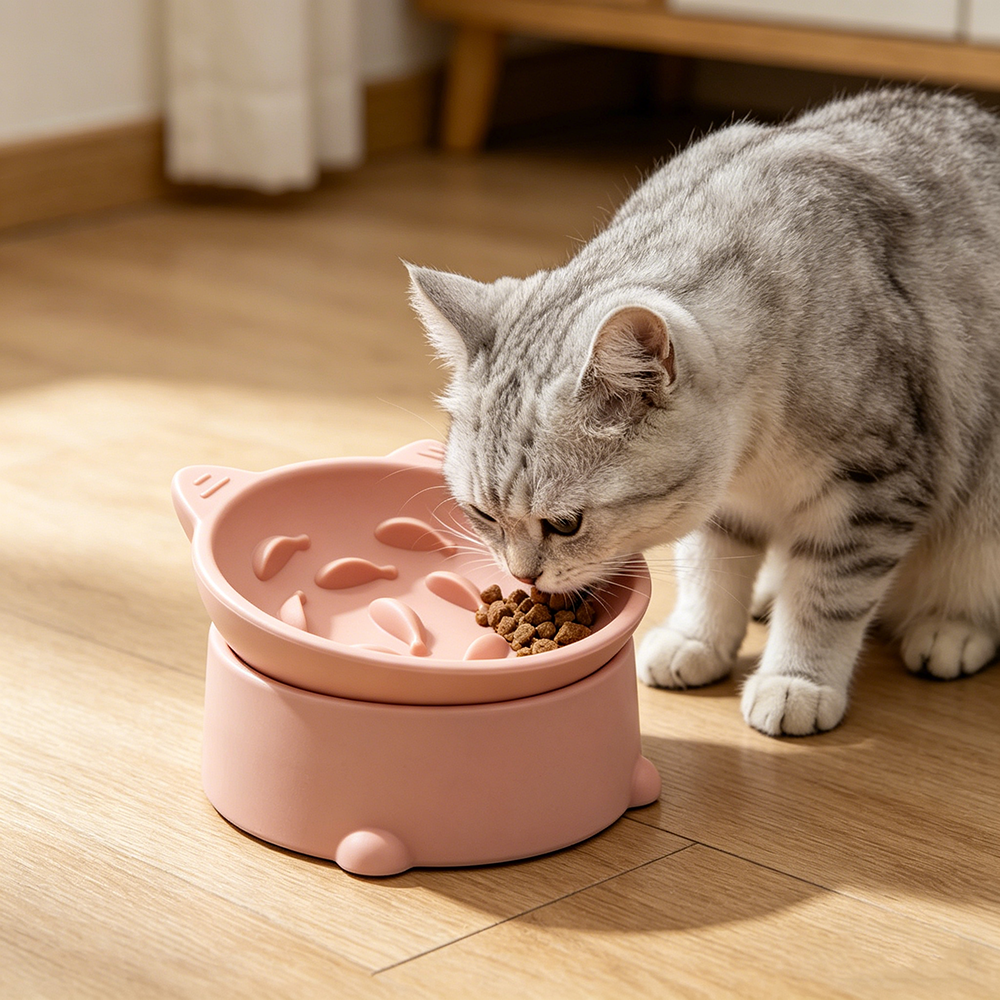
The most prominent advantage of silicone slow - feeding bowls lies in their unique slow - feeding design. These bowls typically feature built - in obstacles, such as raised silicone barriers. This design forces pets to spend more time eating, effectively slowing down their eating speed. By doing so, it helps prevent pets from eating too quickly, which can lead to problems like vomiting, bloating, or digestive issues. This makes it an excellent option for pets with a tendency to gobble up their food. "My golden retriever used to wolf down his food in seconds. Since getting a silicone slow - feeding bowl, he eats at a much healthier pace, and I haven't seen him vomit after meals anymore," a grateful pet owner reported.
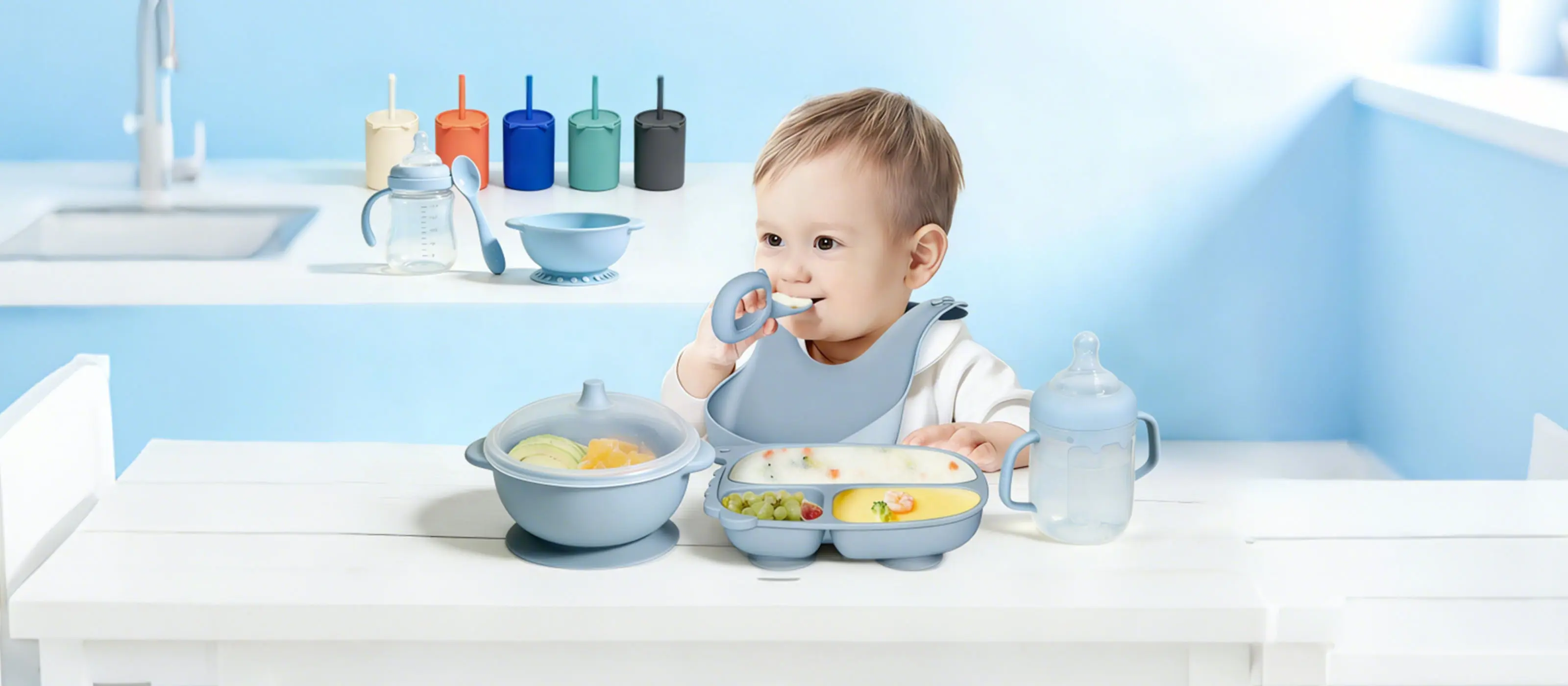
Some silicone pet slow - feeding bowls are also designed as multi-compartment silicone pet slow-feeding bowls, equipped with different compartments allowing pet owners to place dry food, wet food, and pet snacks separately to meet the nutritional needs of pets. A user who owns a picky cat said, "This multi-compartment silicone pet slow-feeding bowl is great! I can put wet food in one section and treats in another, and my cat finally eats all her food without leaving leftovers." Additionally, many slow - feeding bowls are designed as suction cup - equipped silicone pet slow-feeding bowls, with suction cups at the bottom that can be attached to various surfaces like the ground, glass, or walls. This feature comes in handy in scenarios such as pet bathing, veterinary visits, or when trying to soothe a pet's emotions. A user commented, "The suction cup - equipped silicone pet slow-feeding bowl is a game - changer. It stays in place when my cat is being examined at the vet, making the whole process less stressful. Even when she tries to push it around, it doesn't move at all."
Stainless Steel Bowls
Stainless steel bowls have a simple design and a single function. While they are extremely convenient to clean, they usually lack a design to slow down the eating process. For pets that eat too fast, these bowls do not offer any effective assistance. They also can't match the functionality of multi-compartment silicone pet slow-feeding bowls or suction cup - equipped silicone pet slow-feeding bowls.
3. Durability and Portability
Silicone Slow-Feeding Bowls
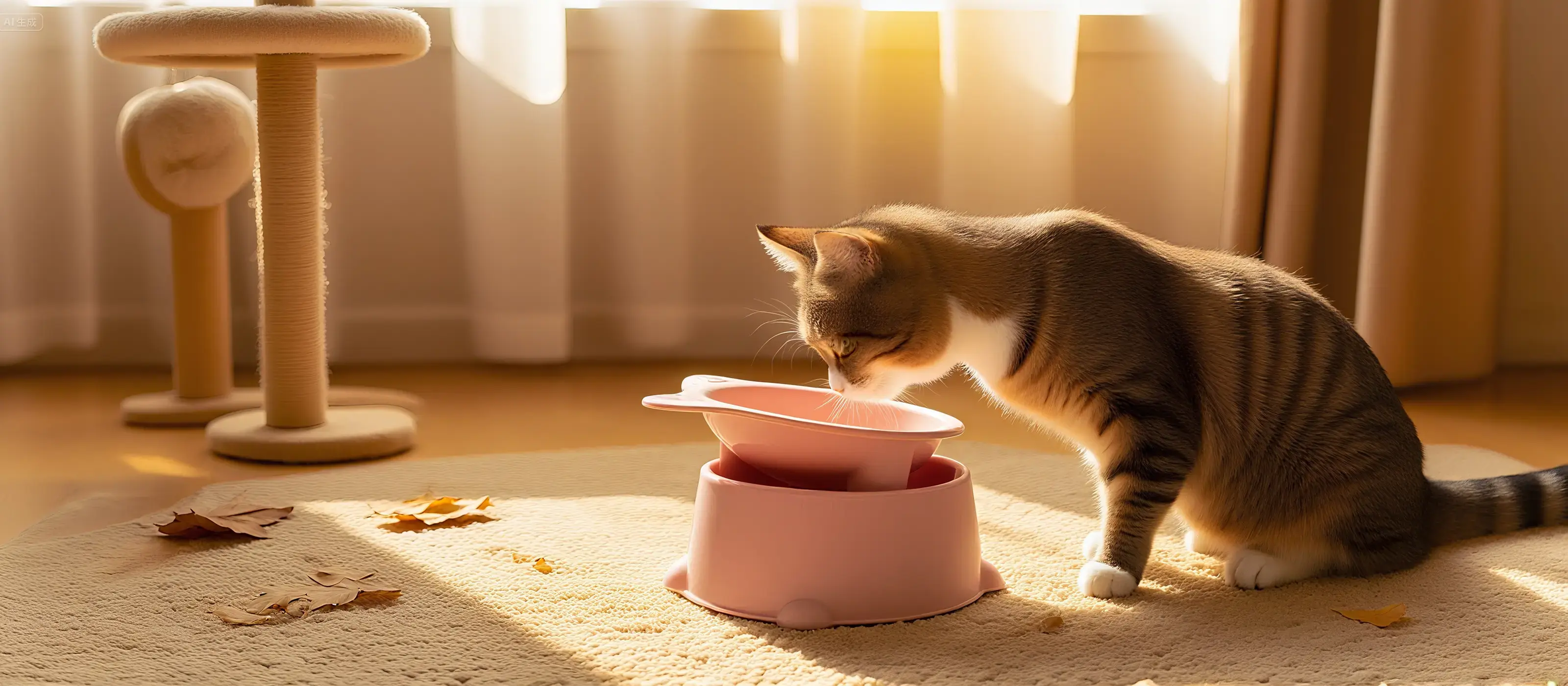
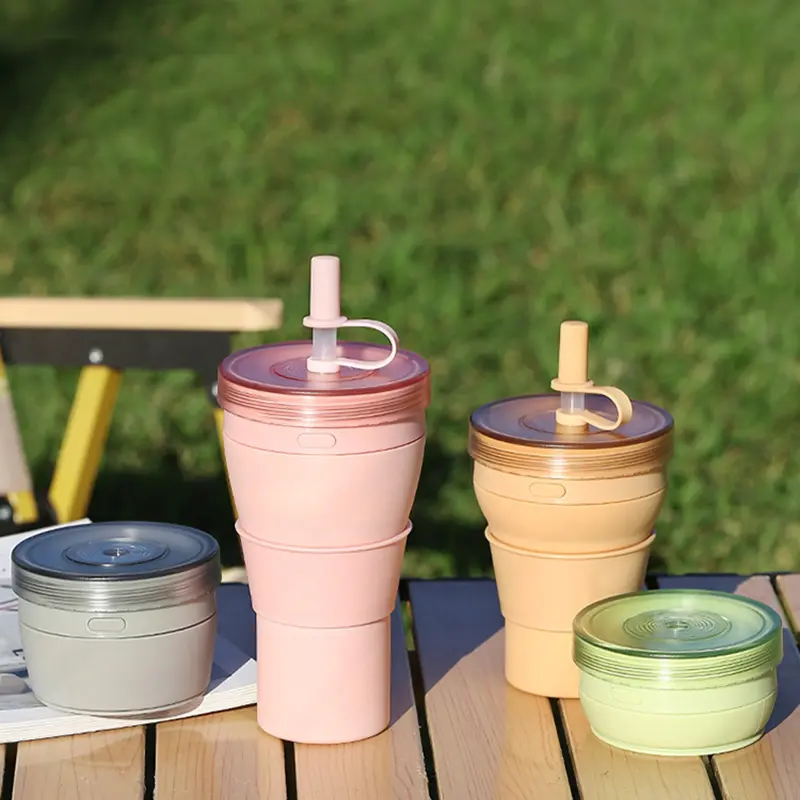
Silicone slow - feeding bowls are made of soft yet durable and drop - resistant materials, and many are designed as foldable silicone pet slow-feeding bowls. They are lightweight, and these foldable silicone pet slow-feeding bowls and matching silicone mats can be easily folded, making them highly suitable for travel. Even when used by larger dogs, these bowls can withstand a certain amount of pressure. "I travel a lot with my dog, and this foldable silicone pet slow-feeding bowl is perfect. It doesn't take up much space in my bag, and it's survived countless drops—way more convenient than carrying a bulky bowl," a frequent traveler with a pet noted. What's more, as a type of anti - tip silicone pet slow-feeding bowl, its soft material and stable structure reduce the chance of being knocked over by pets. A user with an energetic puppy said, "My puppy used to knock over his bowl every meal, but this anti - tip silicone pet slow-feeding bowl stays put most of the time, saving me from cleaning up spilled food all the time."
However, it is important to store silicone bowls separately from sharp objects to avoid damage, especially for foldable silicone pet slow-feeding bowls whose folded parts are more prone to scratches.
Ordinary Stainless Steel Bowls
Ordinary stainless steel bowls are durable and suitable for long - term use. However, they are relatively heavy, which makes them less convenient to carry compared to foldable silicone pet slow-feeding bowls. Without suction cups or other functional designs at the bottom, they can't be compared to anti - tip silicone pet slow-feeding bowls—they may slide around when pets are eating, causing food to spill. Moreover, if pets drag them around, it can create a lot of noise, and stainless steel bowls are not very drop - resistant.
4. Cleaning and Maintenance
Silicone Slow-Feeding Bowls
Silicone slow - feeding bowls, including multi-compartment silicone pet slow-feeding bowls and suction cup - equipped silicone pet slow-feeding bowls, are generally easy to clean, and most stains can be removed by rinsing under the faucet. However, for multi-compartment silicone pet slow-feeding bowls, due to their compartmentalized structure, and for other silicone slow-feeding bowls with unique designs, especially the grooves in the bowl, food residues can easily accumulate, making the cleaning process a bit more challenging in some areas. Pet owners need to pay extra attention when cleaning these bowls. Some users have said, "Cleaning the grooves of my silicone slow-feeding bowl, even the multi-compartment silicone pet slow-feeding bowl, can be a bit of a hassle, but it's worth it considering how well it helps my pet eat slower and the convenience of its functions."
Ordinary Stainless Steel Bowls
Ordinary stainless steel bowls are extremely easy to clean, and almost all stains can be quickly removed. But they lack the functional diversity of silicone slow-feeding bowls like multi-compartment or suction cup - equipped models.
5. Appearance and Design
Pet Silicone Slow-Feeding Bowls
Pet silicone slow - feeding bowls, such as foldable silicone pet slow-feeding bowls and multi-compartment silicone pet slow-feeding bowls, come in a wide variety of colors and styles. Pet owners can choose according to their pet's personality and the decor of their home. Their unique designs often give them a modern and stylish look. "I love how I was able to pick this multi-compartment silicone pet slow-feeding bowl that matches my home decor. It's not just functional with separate food sections but also looks great in my living room," a pet owner who values aesthetics mentioned. Even suction cup - equipped silicone pet slow-feeding bowls have sleek designs that don't look bulky despite the suction cups.
Ordinary Stainless Steel Bowls
Ordinary stainless steel bowls have a single design and color, which may appear rather plain in terms of appearance—far less attractive than the diverse styles of silicone slow-feeding bowls like foldable or multi-compartment ones.
6. Applicable Scenarios
Silicone Slow-Feeding Bowls
Silicone slow - feeding bowls are highly suitable for dogs that eat quickly, especially small dogs and those with large appetites and fast eating habits. Among them, foldable silicone pet slow-feeding bowls are perfect for travel or outdoor use, as they are easy to carry and store. "For my small, fast - eating dog, this silicone slow - feeding bowl has been a lifesaver. And this foldable silicone pet slow-feeding bowl is so convenient when we go on picnics—no more struggling with heavy bowls," a pet owner with a small breed dog said. Suction cup - equipped silicone pet slow-feeding bowls excel in fixed - position scenarios like veterinary clinics or home bathing, while multi-compartment silicone pet slow-feeding bowls are ideal for pet owners who want to mix different types of food for their pets. Anti - tip silicone pet slow-feeding bowls are great for households with active or playful pets that tend to knock over bowls.
Ordinary Stainless Steel Bowls
Ordinary stainless steel bowls are suitable for all pets. However, if a pet eats too fast, these bowls cannot provide effective intervention. They also can't meet the specific needs of travel, fixed - position use, or mixed food feeding like foldable, suction cup - equipped, or multi-compartment silicone pet slow-feeding bowls do.
In conclusion, both silicone slow - feeding pet bowls (including functional variants like foldable silicone pet slow-feeding bowls, suction cup - equipped silicone pet slow-feeding bowls, multi-compartment silicone pet slow-feeding bowls, food-grade silicone material pet slow-feeding bowls, and anti - tip silicone pet slow-feeding bowls) and ordinary stainless steel bowls have their own pros and cons. Pet owners should consider their pet's eating habits, lifestyle, and personal preferences when making a choice. Whether it's the slow - feeding function, diverse designs, or practical features of silicone bowls, or the durability of stainless steel bowls, the ultimate goal is to provide the best dining experience for our beloved furry friends.

 Household Daily Necessities
 Sport & Outdoor
 Sport & Outdoor