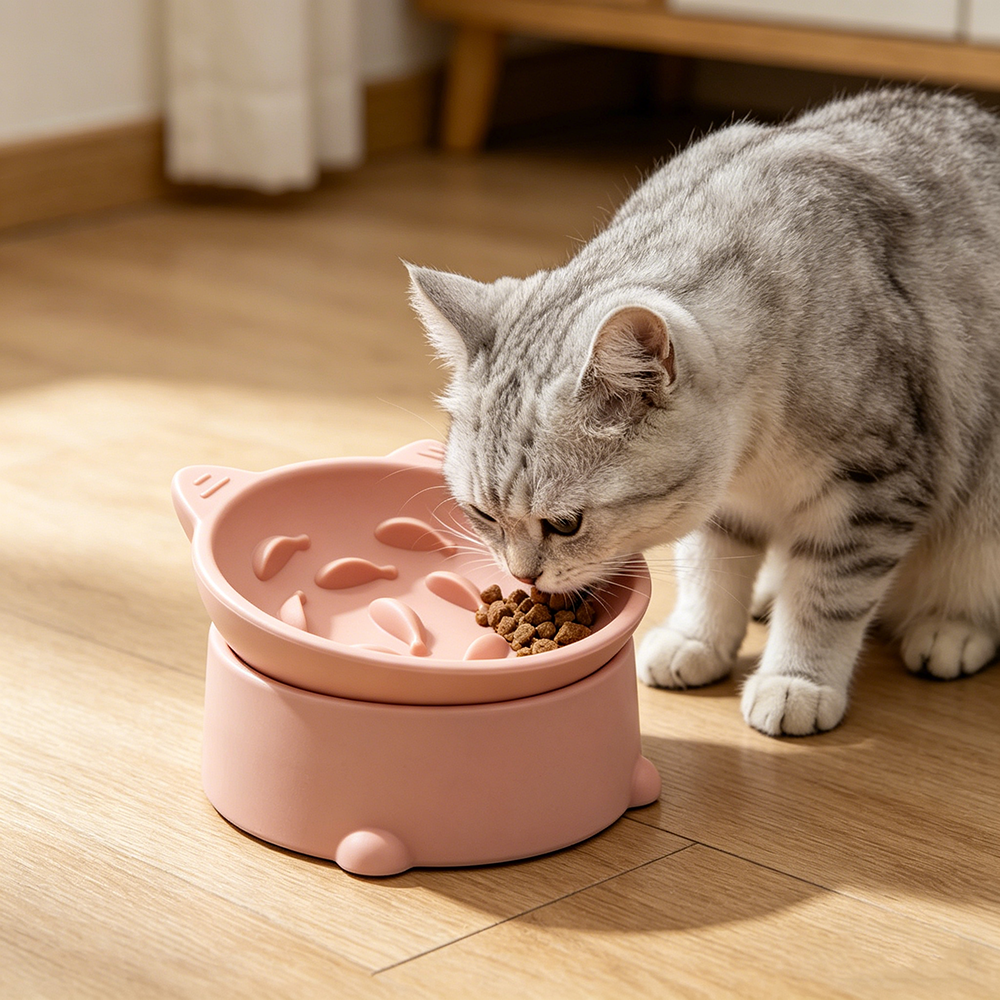
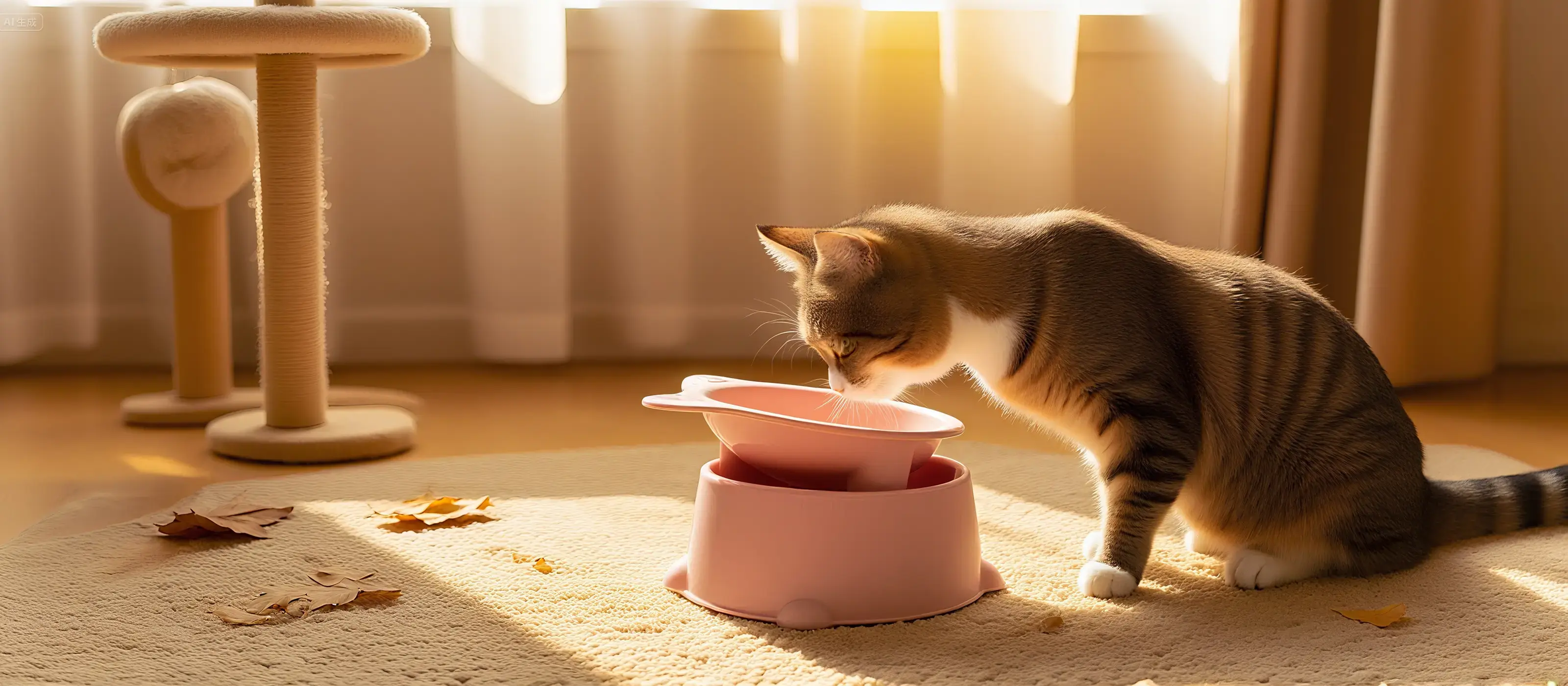
Frequently Asked Questions (FAQs) About Pet Slow Feeder Bowls
1. How long does it take for a pet to adapt to a slow feeder bowl?
Most pets adjust within 3–7 days. For hesitant pets, place their favorite treats (e.g., freeze-dried meat or wet food) in the silicone slow feeder bowl initially—this helps them associate the bowl with positive experiences. Gradually increase the ratio of regular kibble to treats. If your pet still resists after 2 weeks, try a simpler maze design or switch to a lick mat-style slow feeder for a gentler transition. 2. Can slow feeder bowls help with pet obesity?
Yes—indirectly. By extending mealtime to 15–20 minutes, slow feeder bowls give your pet’s brain time to recognize fullness signals, reducing overeating. However, they work best when paired with a balanced diet and regular exercise. For obese pets, consult a vet to create a comprehensive weight-management plan, with a food-grade silicone slow feeder bowl as a supportive tool.
3. Are silicone slow feeder bowls safe for pets?
Absolutely—when choosing a high-quality, food-grade silicone option. Food-grade silicone is non-toxic, BPA-free, and soft on pets’ gums and teeth (unlike hard plastic or ceramic that may chip teeth). Avoid low-quality silicone that may tear or leach substances when in contact with hot food.
4. Can I use slow feeder bowls for both dry kibble and wet food?
Most slow feeder bowls work for dry kibble, but for wet food, opt for specialized designs like silicone slow feeding lick mats or bowls with shallow, textured surfaces. These prevent wet food from getting trapped in deep crevices (which is hard to clean) and allow pets to lick up every bite easily. Avoid using maze-style bowls with narrow channels for wet food—they may become messy and breed bacteria.
5. How often should I replace a slow feeder bowl?
With proper care, a durable silicone slow feeder bowl can last 1–2 years. Replace it if you notice signs of wear: cracks, tears, discoloration, or a sticky residue that won’t wash off. Damaged silicone may harbor bacteria or pose a choking hazard if pieces break off. For heavy chewers, choose thick, reinforced silicone bowls for longer durability.
6. Are slow feeder bowls suitable for senior pets or pets with dental issues?
Yes—with adjustments. For senior pets or those with dental pain, select slow feeder bowls with low, smooth obstacles (avoid sharp or tall ridges). The soft silicone material is gentler on sensitive teeth and gums compared to hard materials. If your pet has severe dental disease, consult a vet first—they may recommend softer food or modified feeding tools alongside the slow feeder.
7. Do slow feeder bowls reduce mealtime anxiety?
Yes! Many pets experience anxiety from rushed eating (e.g., fear of other pets stealing food) or boredom. Slow feeder bowls turn mealtime into a calming, mentally stimulating activity. The “foraging” process distracts pets from stressors and releases endorphins, reducing anxiety-related behaviors like pacing or gulping. For multi-pet households, use separate slow feeder bowls to prevent competition.
8. Can kittens and small puppies use slow feeder bowls?
Absolutely—just choose the right size and design. For kittens or small puppies (under 3 months), opt for mini silicone slow feeder bowls with ultra-low obstacles. Their tiny mouths and paws need easy access to food to avoid frustration. Suction cups are a must for puppies—they prevent tipping as the little ones play while eating. Avoid large or complex mazes until they’re older and more coordinated.
9. How do I clean a silicone slow feeder bowl thoroughly?
Silicone’s non-stick surface makes cleaning easy—rinse with warm soapy water after each use, using a soft brush to scrub crevices. Most food-grade silicone bowls are dishwasher-safe (top rack recommended). For tough stains or odor, soak the bowl in a mixture of baking soda and water for 30 minutes before washing. Avoid abrasive sponges or harsh cleaners (e.g., bleach) that may damage the silicone.
10. Are there any pets that shouldn’t use slow feeder bowls?
Pets with severe mobility issues (e.g., arthritis that limits neck movement) or neurological disorders may struggle with slow feeder bowls. Additionally, pets with a history of eating disorders (e.g., anorexia) should only use them under vet supervision. For most other pets—including cats, dogs, and even small animals like rabbits—slow feeder bowls are safe and beneficial when chosen correctly.

 Household Daily Necessities
 Sport & Outdoor
 Sport & Outdoor