Lower Shore A value (e.g., 30A–50A): Softer, more flexible silicone with excellent compression set and skin-friendliness
Higher Shore A value (e.g., 60A–80A): Firmer silicone with better structural stability and wear resistance
Product Type | Recommended Hardness Range | Key Rationale for OEMs |
|---|---|---|
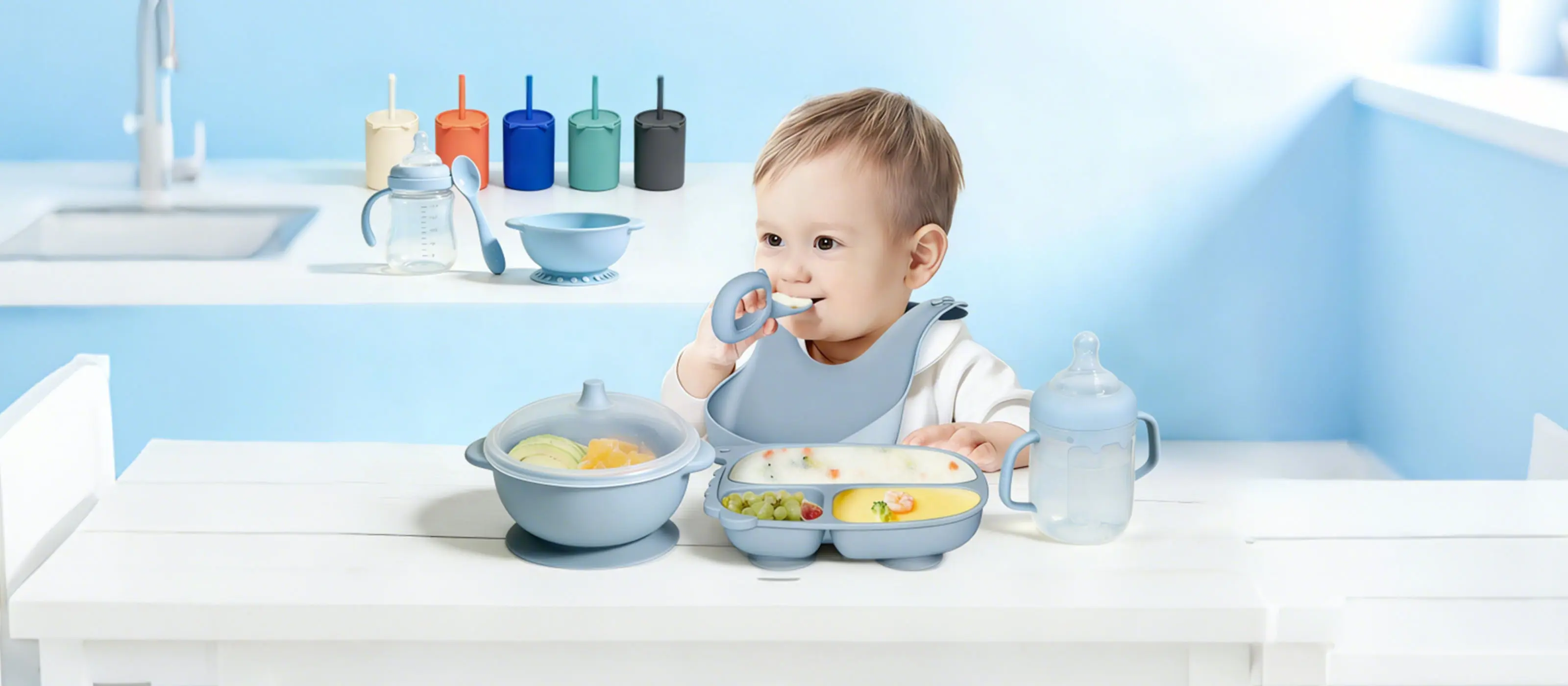
Baby spoons & teething toys | 40–50A | Soft enough for baby’s delicate gums, non-toxic, and easy to clean (complies with baby product safety standards, ideal for baby safe silicone teething toys & feeding tools) |
Baby plates & food containers | 60–70A | Firm enough to maintain shape, shatter-resistant, and durable for repeated use/washing |
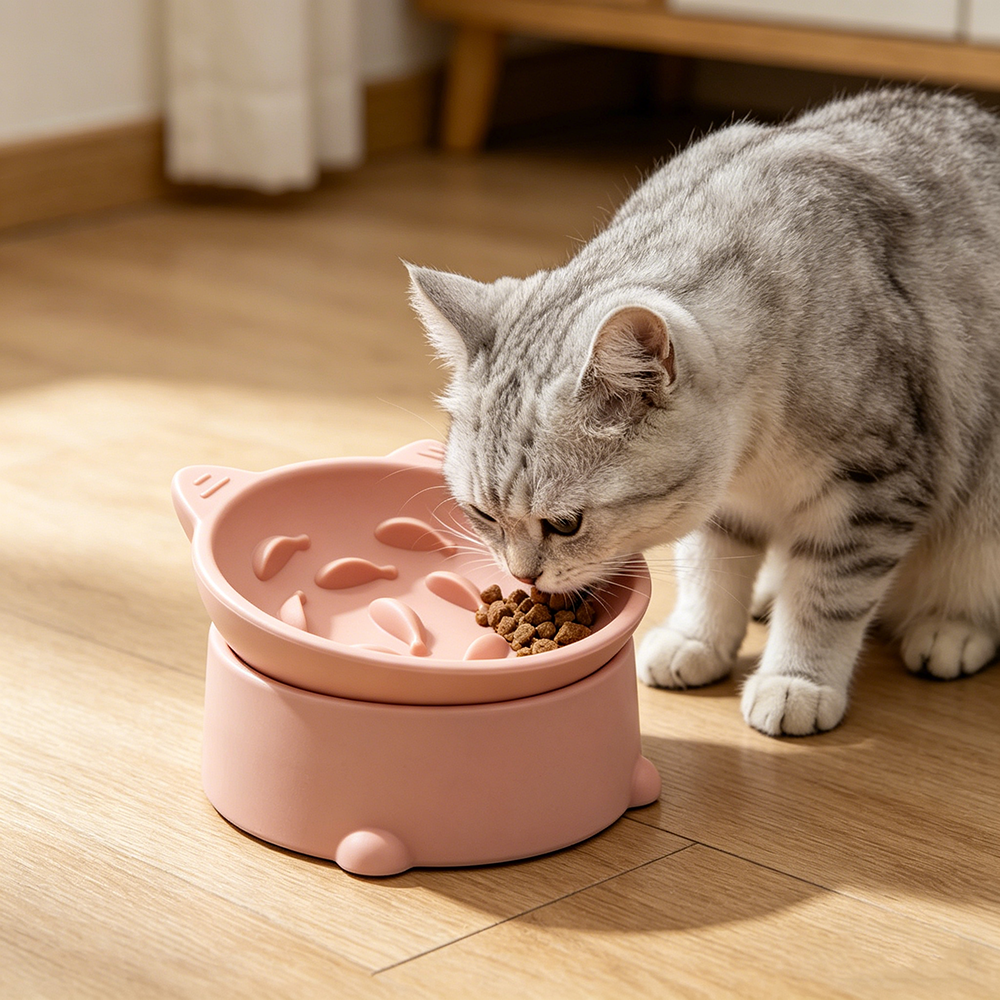
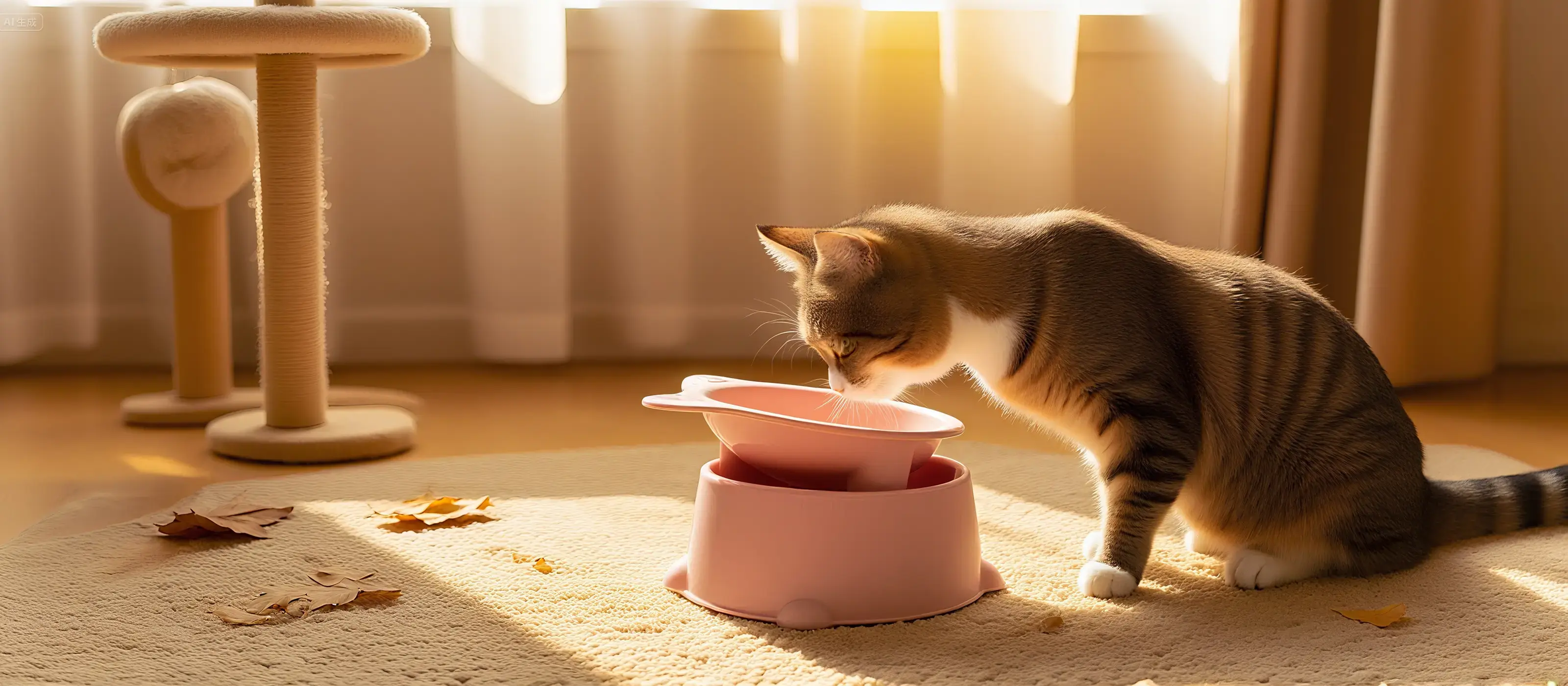
Pet bowls & chew toys | 60–70A | Abrasion-resistant, withstands pet biting, and easy to sanitize (meets pet product durability requirements) |
Air fryer accessories & kitchen bakeware | 60–70A | Heat-resistant (up to 230°C typical), shape-stable under high temperatures, non-stick & perfect for food grade silicone air fryer accessories |
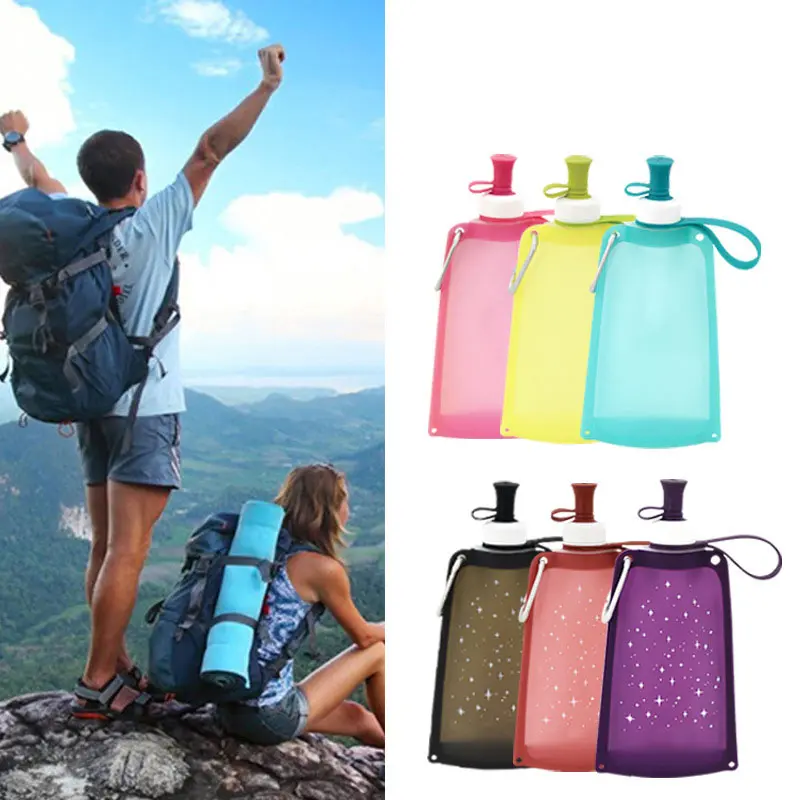
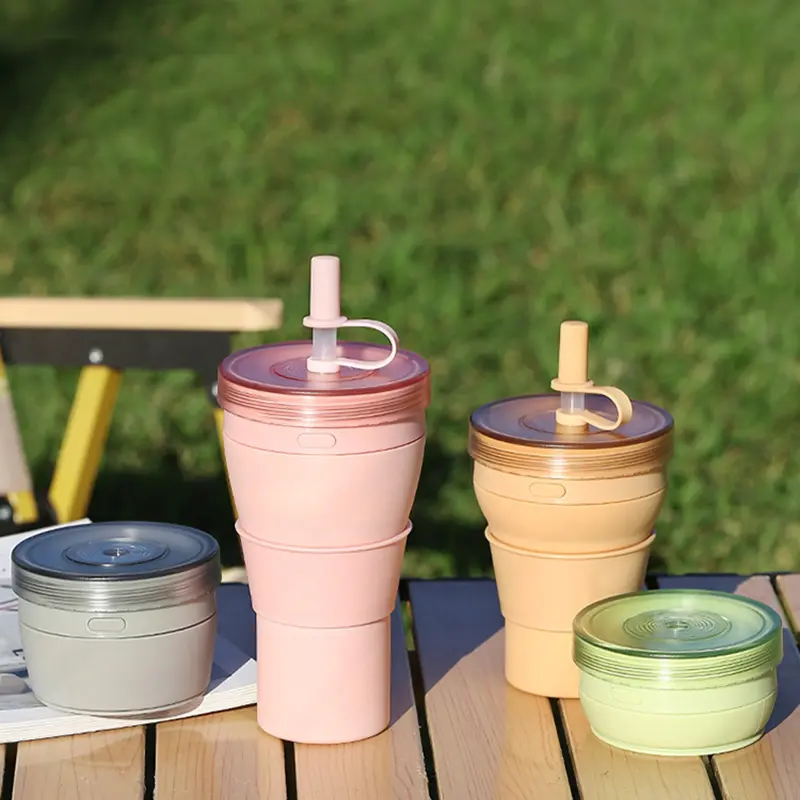
Outdoor cups & water bottles | 50–70A | Balances flexibility (easy to carry) and sturdiness (resists drops), weather-resistant |
Beauty tools (e.g., silicone makeup sponges) | 30–50A | Soft on skin, flexible for blending, and reusable (aligns with beauty industry sustainability trends) |
Too soft (below recommended range): Products may collapse, deform easily during use or transportation, have poor load-bearing capacity, and fail durability tests.
Too hard (above recommended range): Products may be uncomfortable for end-users (e.g., rigid baby spoons), difficult to assemble with other components, or prone to cracking under impact.
Hardness adjustment range: ±5A based on base formulations, ensuring consistency across production batches.
Pre-production testing: Request sample prototypes with target hardness to verify performance, fit, and end-user experience.
Compliance support: Ensure customized hardness meets industry standards (e.g., FDA, LFGB) for your target market (e.g., baby products, food contact items).
 Household Daily Necessities
 Sport & Outdoor
 Sport & Outdoor
Copyright ©2025 All Rights Reserved by Shenzhen Syah Silicone Technology Co.,Ltd.