In today's market, brands in baby care, kitchenware, pet supplies, and
outdoor gear are increasingly shifting from plastic to silicone—a profound industry trend rather than a fleeting fad. Modern consumers, more informed than ever, prioritize health, environmental impact, and durability when choosing products, and few opt for materials with questionable reliability. This transition reflects a significant evolution in consumer mindset. This article analyzes the comparative advantages of
silicone vs plastic, exploring why silicone is widely recognized by discerning brands and consumers.
1. Safety Comparison: Silicone Offers Reliable Protection, While Plastic Carries Potential Risks
For products in direct contact with food or pets, material safety is critical. The safety gap between silicone and plastic is clear when compared side by side:
Silicone: High-quality food-grade silicone is inherently BPA free, phthalate-free, and free of harmful additives. Odorless and tasteless, it does not leach chemicals into food or the environment, even with repeated use or high-temperature exposure. Suitable for baby tableware and pet slow feeder bowls, it consistently delivers safety and peace of mind.
Plastic: Many plastics (especially low-cost or non-food-grade options) contain potential hazards like BPA and phthalates. These substances tend to leach when heated, scratched, or used long-term, posing risks. Even "BPA-free" plastics may use unproven alternative additives, leaving consumers uncertain.
2. Temperature Resistance: Silicone Excels in Thermal Stability, Plastic Lacks Durability
Everyday products face temperature fluctuations, where silicone and plastic differ significantly.
Silicone: It boasts excellent thermal stability, maintaining performance between -40°C (-40°F) and 230°C (446°F). Resistant to freezing, microwaving, dishwashing, and outdoor sunlight, it does not deform, melt, or release toxins—ideal for air fryer accessories, travel bottles, and camping tableware.
Plastic: Most plastics are temperature-sensitive, deforming or melting above 120°C (248°F), making them unsuitable for microwaves or dishwashers. They become brittle over time, easily cracking when dropped, and may leach substances, lacking long-term durability.
3. Durability: Silicone Offers Longevity, Plastic Has a Short Lifespan
Product durability directly impacts value, and silicone’s longevity is a key driver of its popularity.
Silicone: Naturally tough, it is scratch-resistant, shatterproof, and UV-stable, avoiding brittleness or aging in sunlight. With proper care, high-quality silicone products remain like new for years, reducing replacements, costs, and waste.
Plastic: Prone to cracking, fading, and deterioration, plastic degrades faster under wind and sunlight. Scratches harbor bacteria, reducing hygiene. Frequent replacements increase costs and environmental burden, offering poor long-term value.
4. Environmental Advantages: Silicone Is Sustainable, Plastic Is a Burden
Environmental protection is a growing concern, and eco-friendly material choices are essential—silicone stands out in this regard.
Silicone: Key silicone benefits include high reusability, replacing single-use and low-durability plastics to reduce disposable consumption. Easy to clean (often dishwasher-safe), it minimizes harsh cleaning chemicals. Though non-biodegradable, its long lifespan results in a far lower carbon footprint per use than plastic.
Plastic: A major environmental pollutant, single-use plastic takes centuries to decompose, clogging landfills and harming marine life. Even reusable plastic requires frequent replacement due to poor durability. Plastic production relies on fossil fuels, emitting greenhouse gases and damaging the planet.
5. Industry Trend: Bestselling Products Transition to Silicone
The plastic-to-silicone shift has gone mainstream as consumers demand safety, durability, and eco-friendliness. Key bestselling products that have completed the transition include:
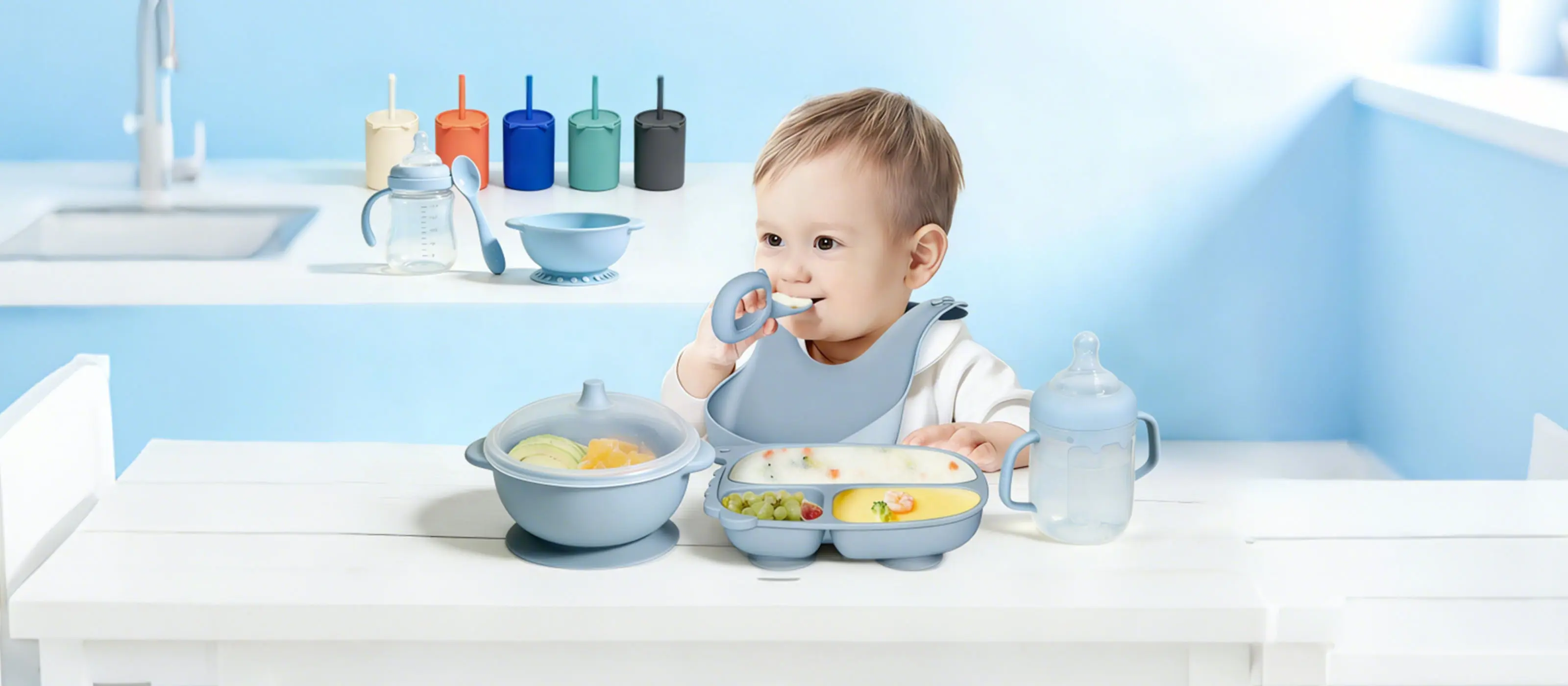
Baby Feeding Sets: Sippy cups, bibs, and food containers—parents prioritize silicone for its odorlessness, shatter resistance, and antibacterial properties, ensuring baby safety.
Air Fryer Accessories: Silicone baking mats, baskets, and molds are popular for their heat resistance, non-stick surface, and easy cleaning, avoiding the risks of heated plastic deformation.
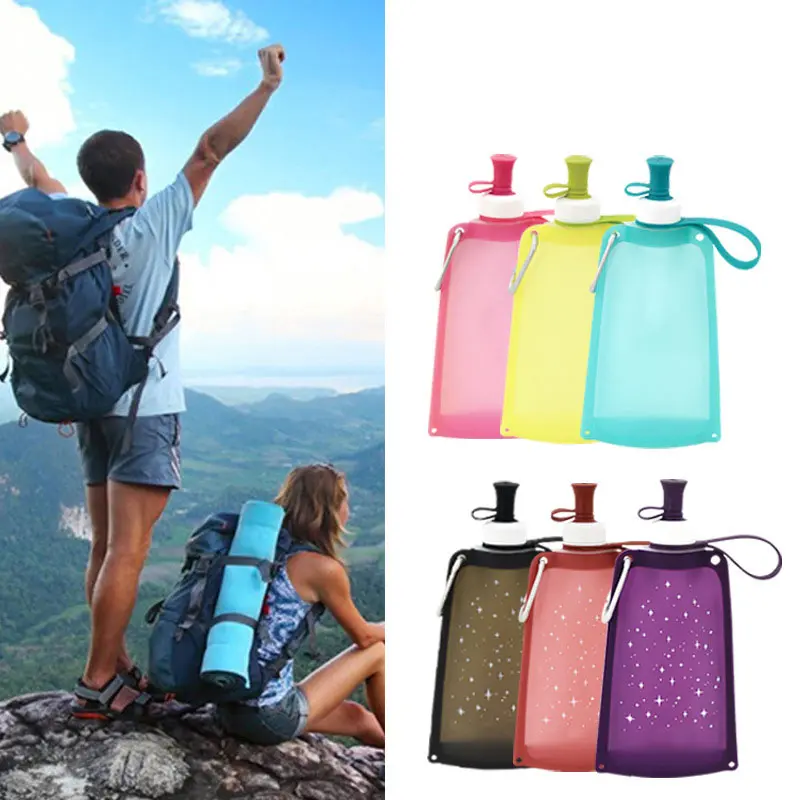
Travel Bottles & Toiletry Bags:Leak-proof, reusable silicone travel bottles replace single-use plastic, offering lightweight, eco-friendly solutions for travelers.
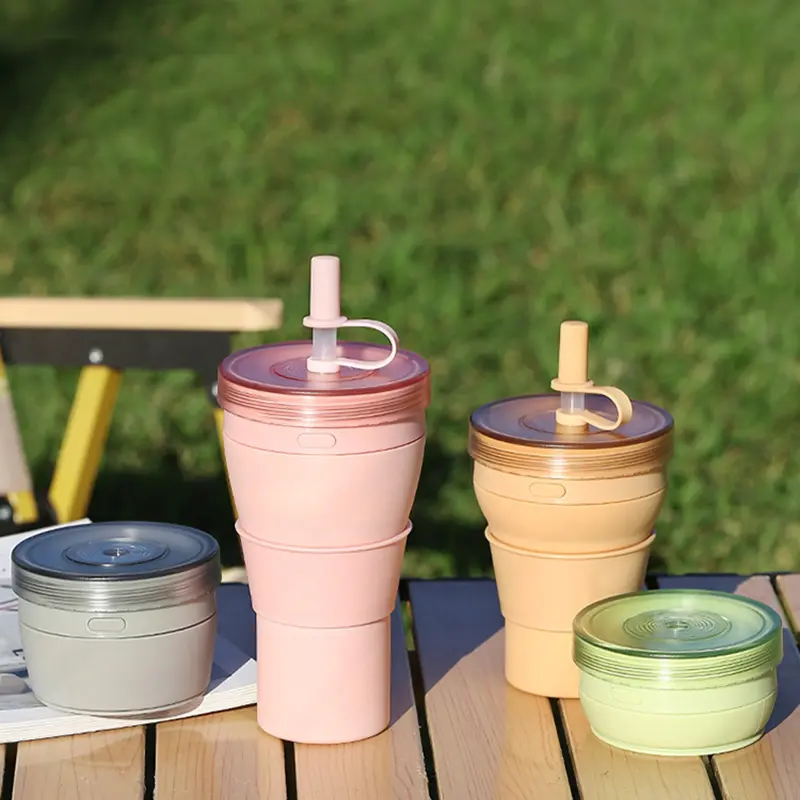
Camping Food Containers: Shatterproof and temperature-resistant, silicone containers suit outdoor use, safely storing hot or cold food in complex environments.
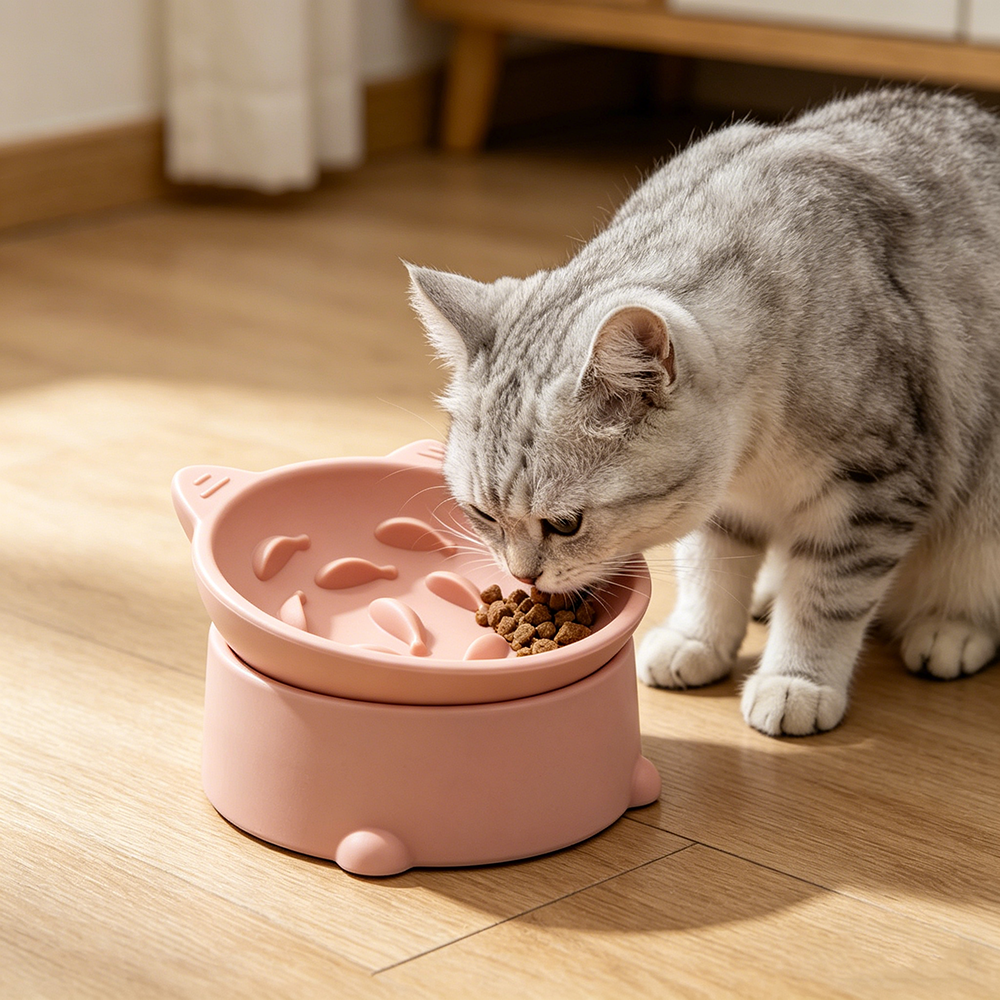
Pet Slow Feeder Bowls & Mats: Chew-resistant, non-toxic silicone bowls and waterproof, easy-to-clean mats meet pet safety needs, driving sales growth for brands that switch.
Call to Action
Join the industry’s plastic-to-silicone transition. If you aim to develop eco-friendly, safe silicone alternatives, we offer custom colors, logo printing, and sample support to turn your ideas into bestsellers. Contact us now to seize opportunities in the silicone product market.

 Household Daily Necessities
 Sport & Outdoor
 Sport & Outdoor